AI Data Centers Are Creating a Water Crisis in the United States
Data centers are in the midst of a controversy over water shortages and the massive amounts of water that these AI centers use.
Quick overview
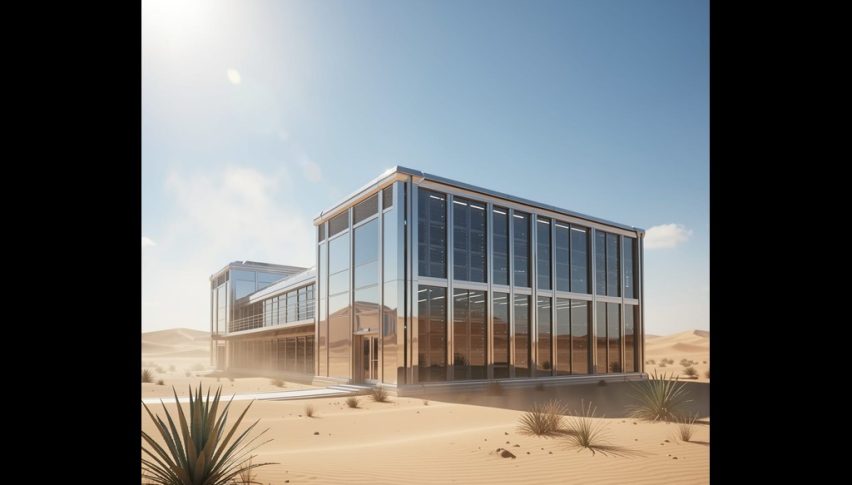
- Phoenix, Arizona faces a severe water supply issue exacerbated by data centers consuming millions of gallons daily.
- The Colorado River, the city's main water source, is at its lowest level in centuries, raising concerns about future water availability.
- As the AI market rapidly grows, data centers are projected to expand by 14% in the next five years, further straining local water resources.
- Communities across the U.S. are expressing dissatisfaction with the environmental impact of data centers, including water pollution and shortages.
Phoenix, Arizona was a water supply problem, and it is likely to get much worse in the near future as AI data centers in the area are drawing millions of gallons of water a day.
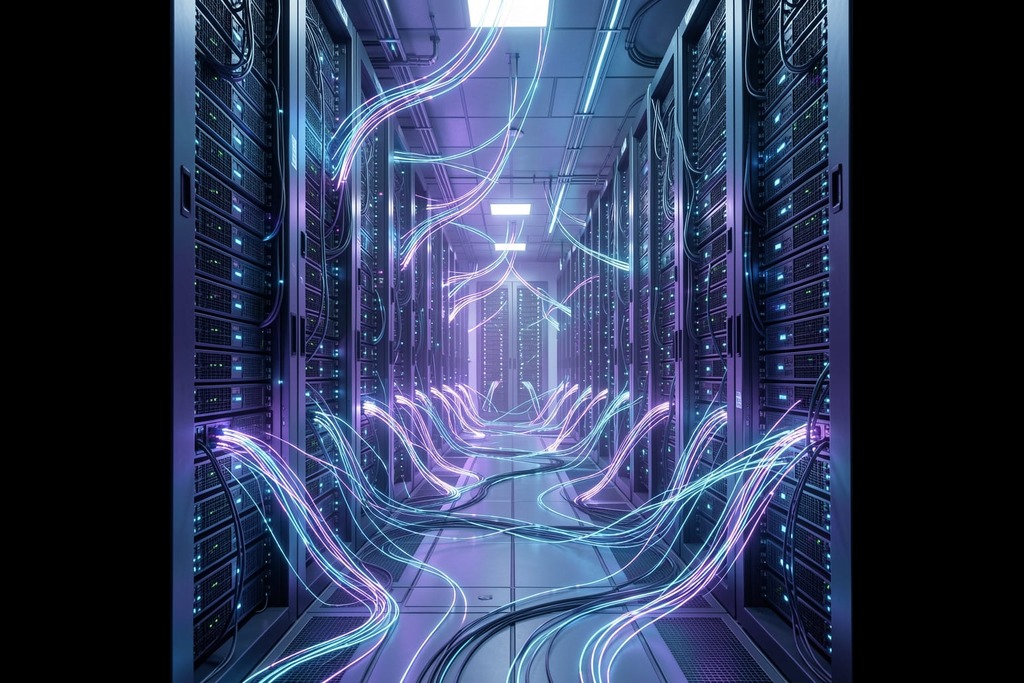
Each day, the data centers in Phoenix use up millions of gallons of water, with the largest facilities using around 5 million gallons. There are more than 150 data centers in Arizona, and a large portion of them are located in Phoenix.
The city has a major water problem, and experts worry that the current drought in the area will dramatically affect water supplies for the area. The main supply for the city is the Colorado River, which is at its lowest level in centuries. Even with an impending water crisis for the city, data centers continue to use as much water as thousands of individuals each day.
Data Center Growth Creates Water Shortages
The AI market is the fastest growing business sector in the world, and it is valued at $374 billion. That number could grow to around $2.4 trillion in less than 10 years. The highest performing stocks in 2026 have been technology stocks that are part of the AI sector, and AI GPU manufacturer Nvidia (NVDA) has the highest market capitalization of any company in the world.
The demand for data centers to provide cloud storage and processing power for AI programs is growing. In the next five years, experts anticipate growth of around 14% in the data center sector, even though communities all around the United States are complaining about the effect that data centers are having on their water supplies.
In Georgia, which is one of the quickest growing markets for data centers, consumers are dissatisfied about sediment building up in their wells near data centers. Environmental groups on the state have complained that chemicals used to build these facilities and with the soil and affect the purity of the water. The problem is not just that data centers are using a lot of water. They may be polluting it in some areas.
Data centers are expanding rapidly through Texas as well. While they only use around 1% of the states water supply at the moment, that could be much closer to 7% in less than 15 years. Reports say that Texas is running out of water, and while data centers are not the biggest culprits to blame for the shortages, they could massively contribute to water supply problems in the near future. For now, Texas’ main culprits for a lack of water are high temperatures, a growing population, and the need of the agriculture market.
Data centers are being built at a rapid pace, and many of them are going up in areas that are already under water stress. These are areas where water is sometimes in short supplies and residents have to conserve water in dry seasons, and yet new data centers in those areas could consume much of that carefully monitored water supply.
Every AI request uses some water, and with millions of these requests each day, data centers have to consume plenty of water to keep up. Though many AI services are free for users, the cost is often very high for the communities where data centers process those AI requests.
- Check out our free forex signals
- Follow the top economic events on FX Leaders economic calendar
- Trade better, discover more Forex Trading Strategies
- Open a FREE Trading Account
- Read our latest reviews on: Avatrade, Exness, HFM and XM

Related Articles

Sidebar rates

Related Posts
 Save
Save