Why Silver’s Bull Run Is Taking a Breather — And Why It Won’t Last
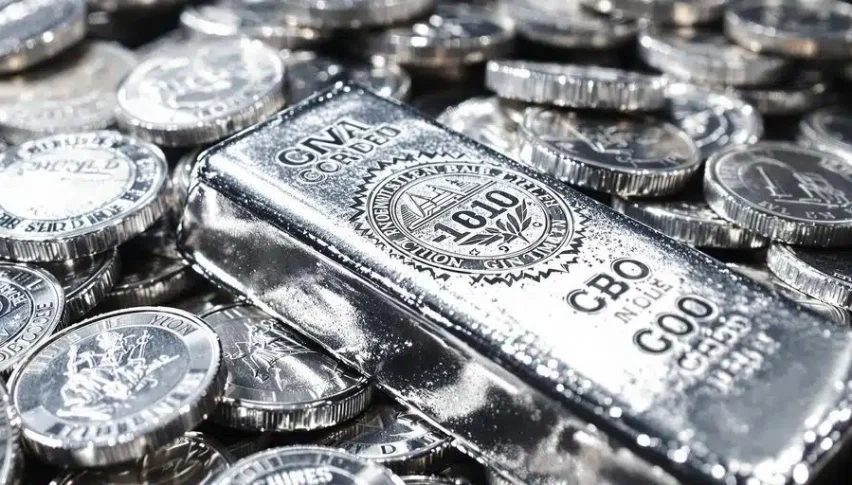
Silver carries a dual identity: it is roughly 50% an industrial metal and 50% a monetary/safe-haven asset.
Quick overview
- Silver serves a dual role as both an industrial metal and a monetary asset, with its long-term outlook remaining bullish despite current challenges.
- High silver prices have led to increased 'thrifting' in the photovoltaic sector, where manufacturers are using less silver or substituting it with copper.
- The global silver market is experiencing a prolonged physical supply deficit, with demand consistently outpacing supply from mining and recycling.
- Silver's higher beta compared to gold means it can experience rapid price rallies during periods of monetary easing or inflation concerns.
Silver carries a dual identity: it is roughly 50% an industrial metal and 50% a monetary/safe-haven asset. Several factors are weighing on its immediate fundamentals, even while its multi-year outlook remains structurally bullish.
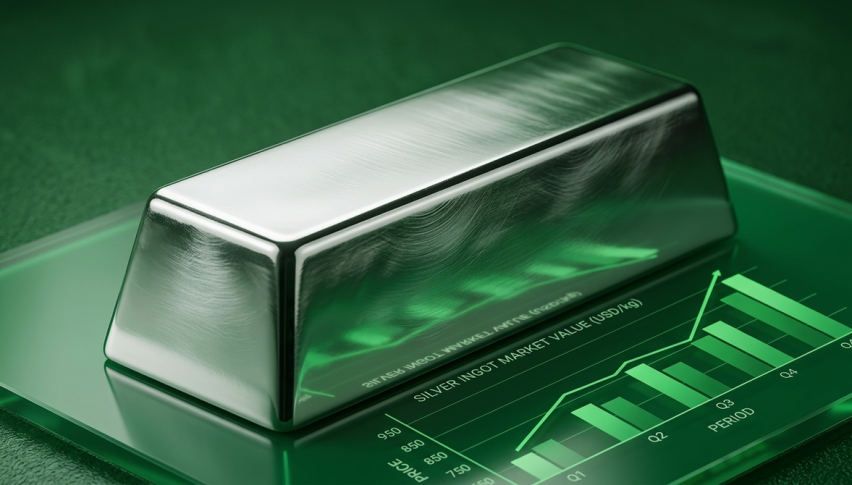
The photovoltaic sector is one of silver’s biggest industrial consumers. However, high silver prices in recent cycles have pushed solar manufacturers to accelerate “thrifting”—finding engineering solutions to use less silver paste per panel or to substitute it with copper.
Coupled with periodic softness in broader global manufacturing PMIs, near-term industrial consumption has experienced temporary lulls. Non-yielding assets like precious metals face constant pressure when interest rates remain elevated or real yields stay positive. Persistent inflation concerns have kept key central banks cautious about aggressive rate cuts, raising the opportunity cost of holding physical silver over cash or yields.
High price levels earlier in the cycle incentivized a spike in silver recycling (scrap silverware and industrial scrap returning to the market).
Simultaneously, speculative ETF holders and futures traders unwound leveraged long positions, creating a technical overhang that temporary spot demand has struggled to absorb immediately. Elevated spot prices have slowed price-sensitive traditional retail demand, particularly jewelry and silverware consumption in key Asian markets like India and China.
The global silver market is navigating its fifth to sixth consecutive year of an annual physical supply deficit. Total global demand consistently outpaces the combined supply from mines and scrap recycling.
Over 70% of silver is mined as a by-product of copper, lead, and zinc operations. Because miners cannot simply “turn on” a silver mine when prices rise, primary mine supply remains inelastic and slow to respond. While thrifting reduces usage per unit, overall volume growth in EV electronics, 5G infrastructure, AI data-center semiconductors, and global solar installations continues to expand the total addressable market for silver.
Silver exhibits a higher beta than gold. During monetary easing cycles or inflation scares, capital flows into silver’s smaller market cap can trigger rapid “catch-up” rallies relative to gold.
- Check out our free forex signals
- Follow the top economic events on FX Leaders economic calendar
- Trade better, discover more Forex Trading Strategies
- Open a FREE Trading Account
- Read our latest reviews on: Avatrade, Exness, HFM and XM

Related Articles
Sidebar rates

Related Posts
 Save
SaveAva